

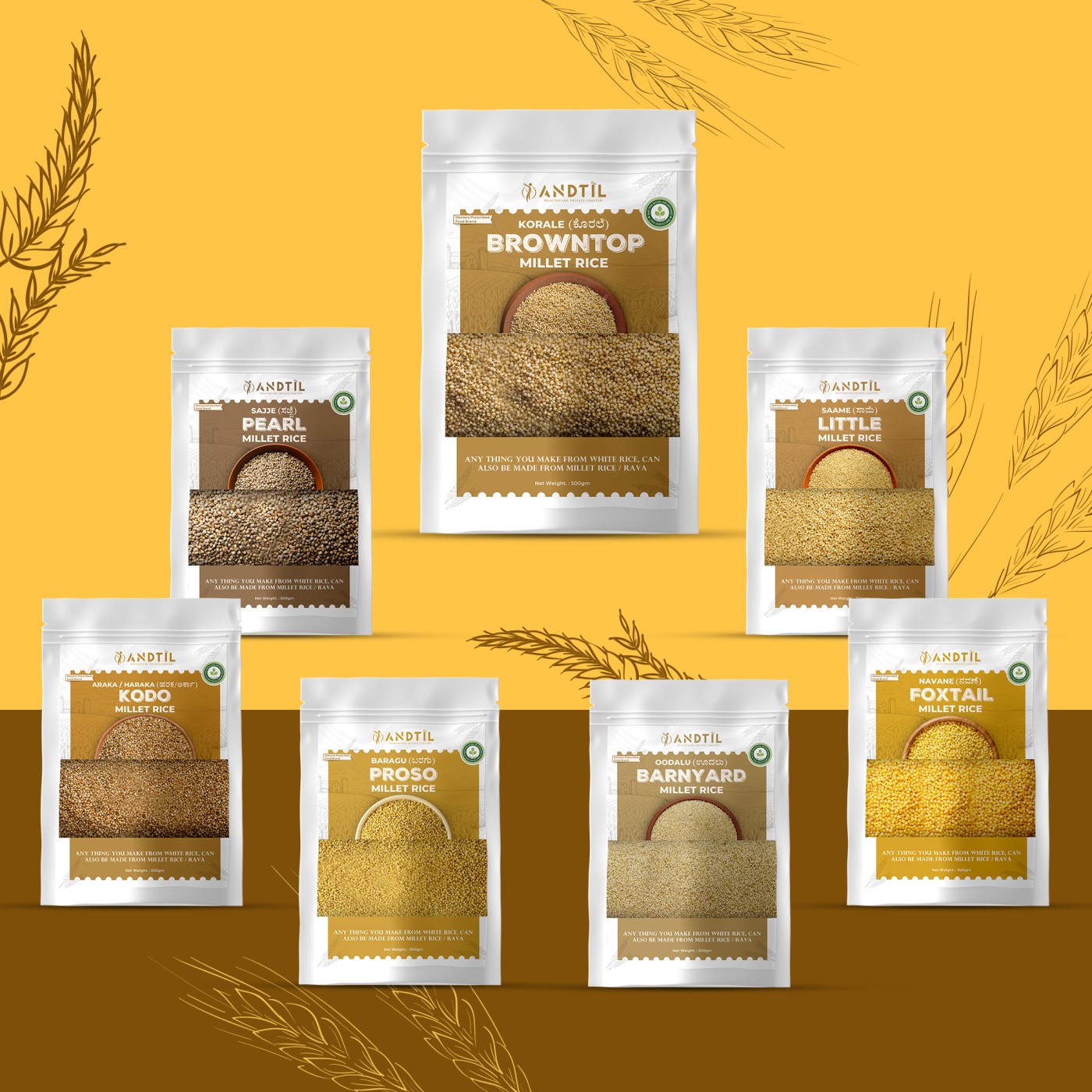
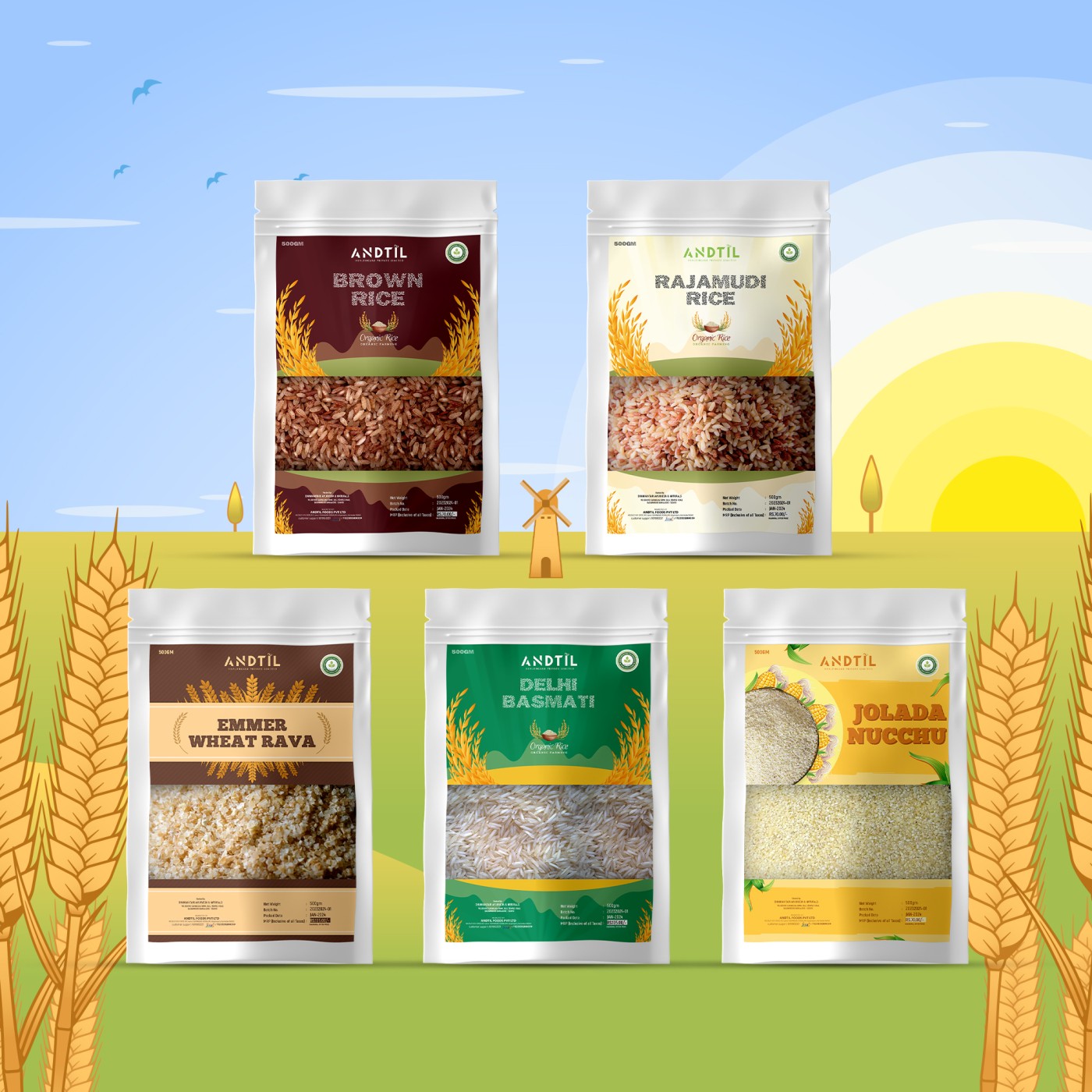
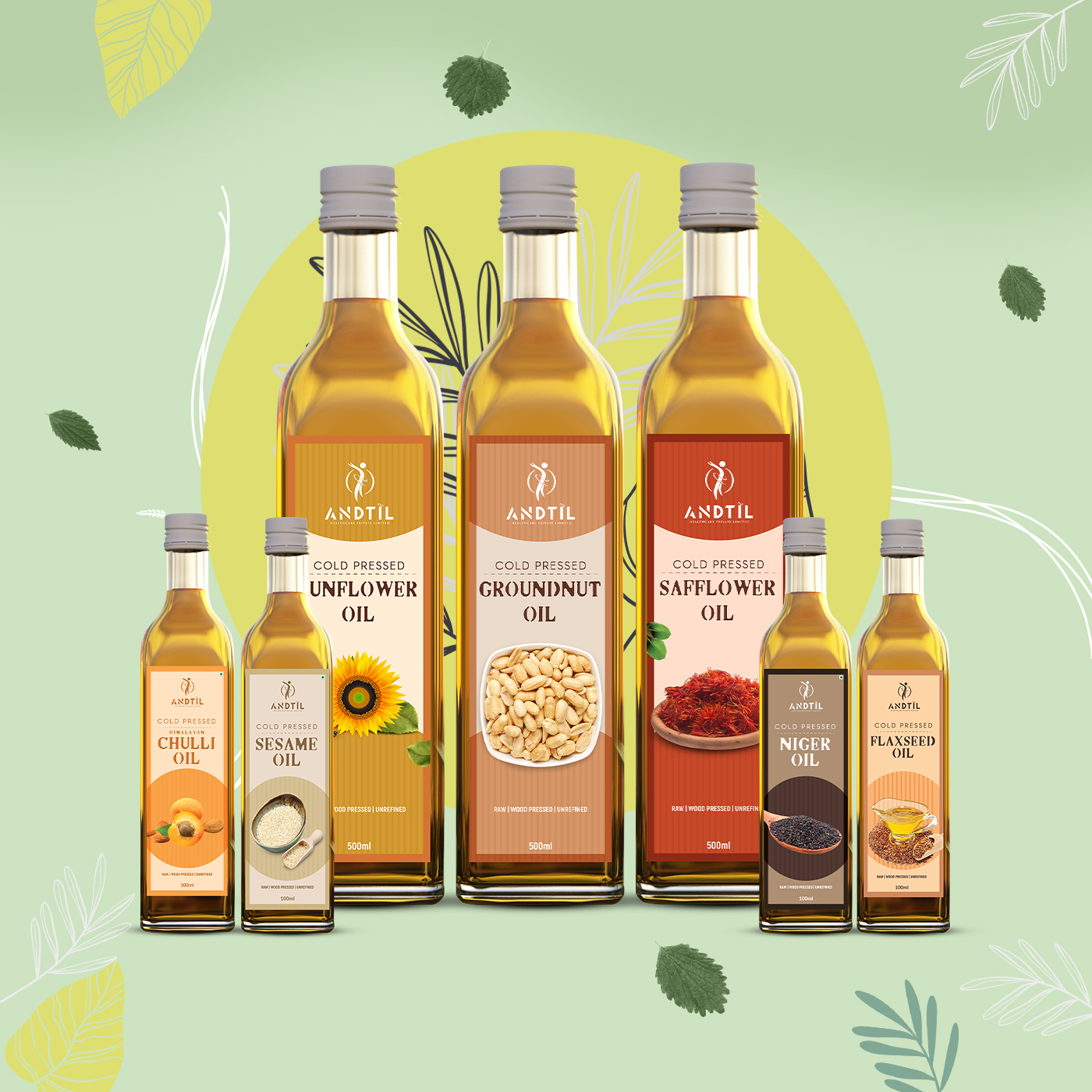
Welcome to Andtil Foods, your go-to destination for premium, doctor-prescribed foods that prioritize your well-being. Dive into our diverse range of thoughtfully curated products, each designed to elevate your nutrition and contribute to a healthier lifestyle.
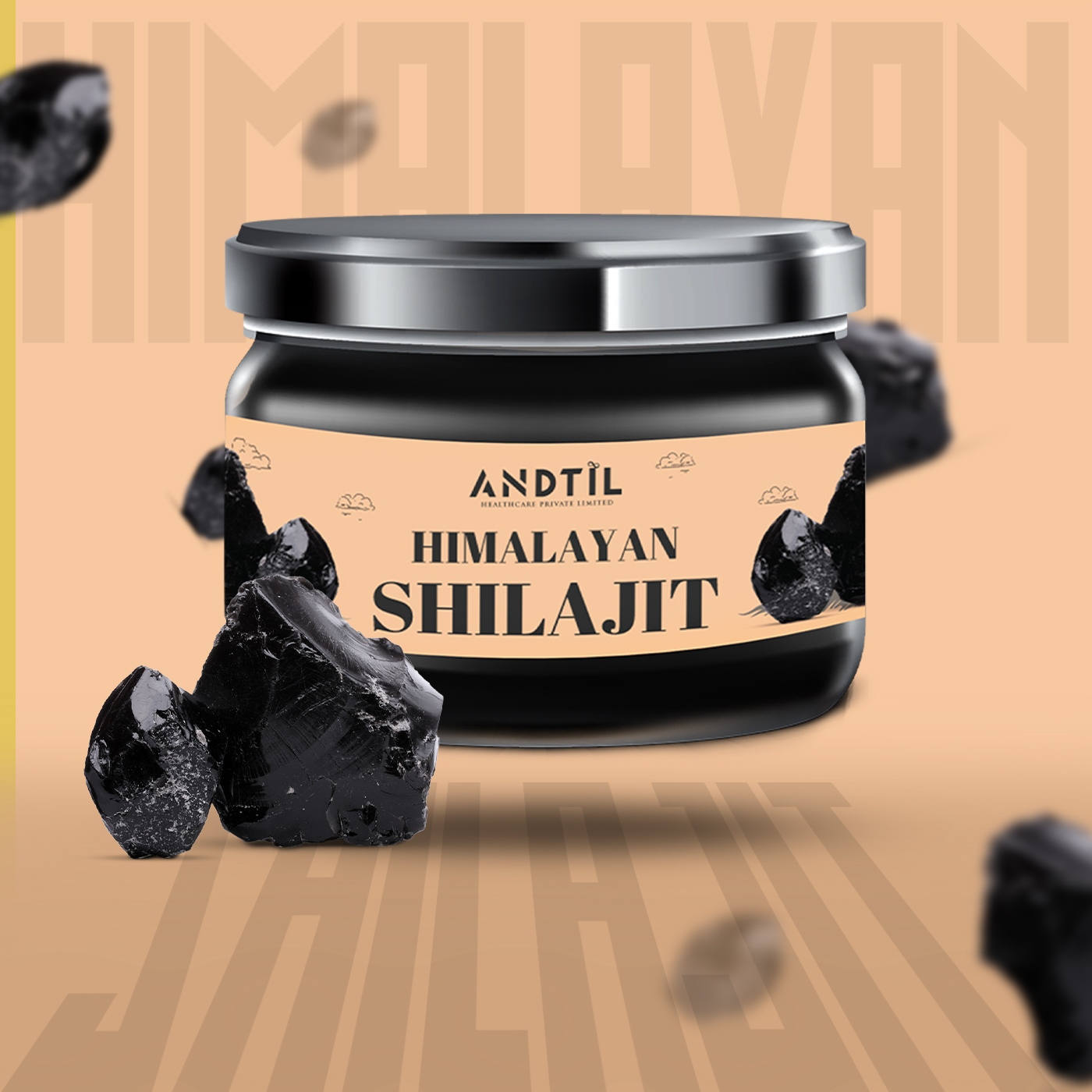
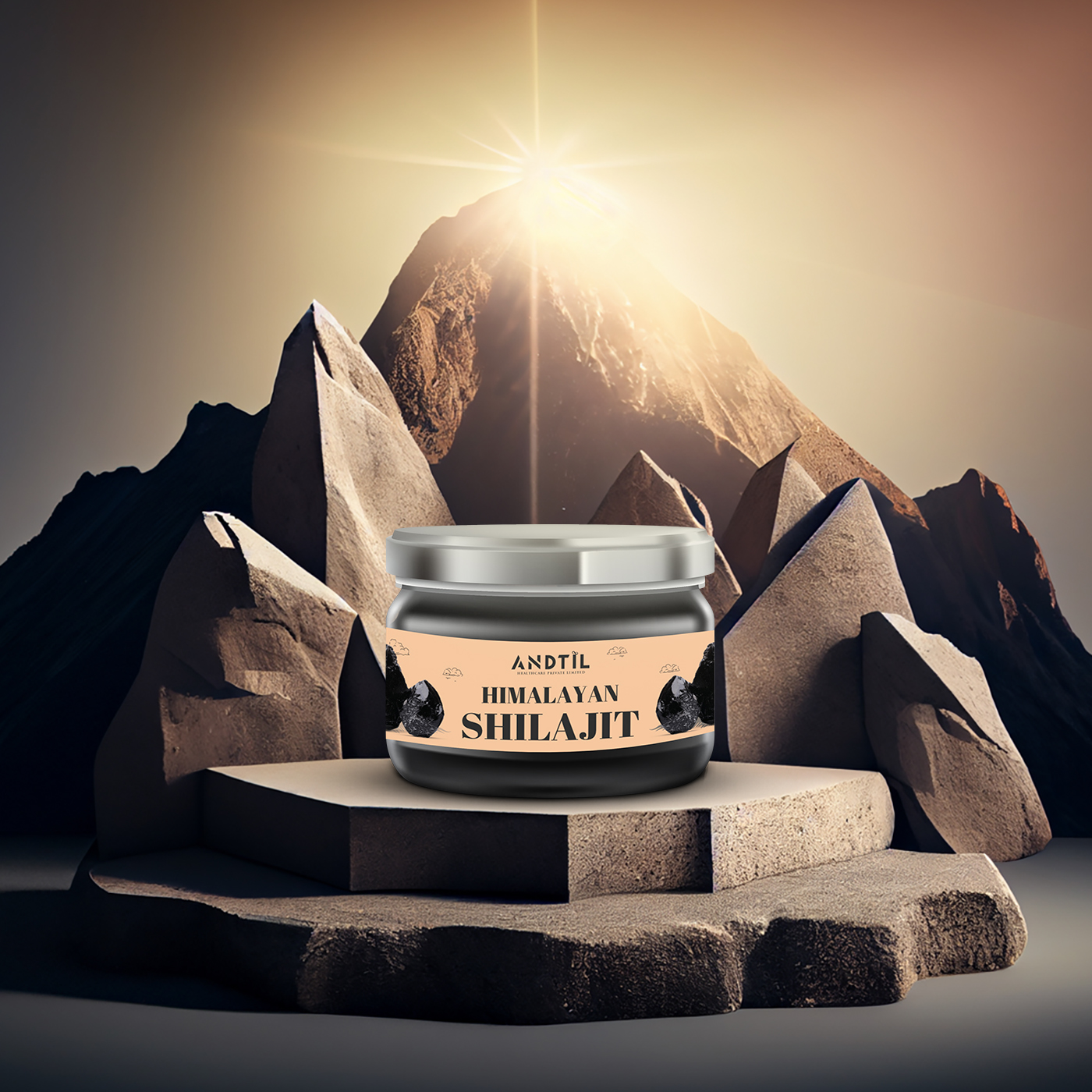
Shilajit is a sticky substance found primarily in the rocks of the Himalayas. It develops over centuries
from the slow decomposition of plants.
Shilajit is commonly used in ayurvedic medicine. It's an effective and safe supplement that can have a
positive effect on your overall health and well-being.
Since shilajit is rich in fulvic acid, a strong antioxidant and anti-inflammatory, it may also protect against free radicals and cellular damage. As a result, regular use of shilajit may contribute to longevity, a slower aging process, and overall better health.
Alzheimer's disease is a progressive brain disorder that causes problems with memory, behavior, and thinking. Drug treatments are available to improve symptoms of Alzheimer's. But based on the molecular composition of shilajit, some researchers believe shilajit may prevent or slow the progression of Alzheimer's. The primary component of shilajit is an antioxidant known as fulvic acid. This powerful antioxidant contributes to cognitive health by preventing the accumulation of tau protein. Tau proteins are an important part of your nervous system, but a buildup can trigger brain cell damage. Researchers think that the fulvic acid in shilajit may stop the abnormal buildup of tau protein and reduce inflammation, potentially improving Alzheimer's symptoms. However, more research and clinical trials are needed.
Testosterone is a primary male sex hormone, but some men have a lower level than others. Signs
of low testosterone include:
* a low sex drive
* hair loss
* loss of muscle mass
* fatigue
* increased body fat
In one clinical study of male volunteers between the ages of 45 and 55, half of the
participants were given a placebo and half were given a 250
milligram (mg) dose of purified shilajit twice a day. After 90 consecutive days, the study
found that participants receiving purified shilajit had a
significantly higher testosterone level compared to the placebo group.
Chronic fatigue syndrome (CFS) is a long-term condition that causes extreme tiredness or fatigue. CFS can make it difficult to go to work or school, and simple everyday activities can prove challenging. Researchers think that shilajit supplements may reduce symptoms of CFS and restore energy. CFS has been associated with mitochondrial dysfunction. This occurs when your cells don't produce enough energy. In a study from 2012, researchers gave lab rats shilajit for 21 days, and then induced CFS by forcing the rats to swim 15 minutes for 21 consecutive days. The results found that shilajit helped reduce the effects of CFS. They think this was the result of the shilajit helping to prevent mitochondrial dysfunction. Based on these results, naturally boosting your body's mitochondrial function with shilajit supplements may help improve energy levels.
A higher altitude can trigger a range of symptoms, including:
* pulmonary edema
* insomnia
* lethargy, or feeling tired or sluggish
* body pain
* dementia
* hypoxia
Altitude sickness can be triggered by low atmospheric pressure, cold temperatures, or high
wind velocity. Researchers think that shilajit may help you
overcome high altitude problems. Shilajit contains fulvic acid and more than 84 minerals, so
it offers numerous health benefits. It can function as an
antioxidant to improve your body's immunity and memory, an anti-inflammatory, an energy
booster, and a diuretic to remove excess fluid from your body.
Because of these benefits, shilajit is thought to help counteract many symptoms associated
with higher altitudes.
Iron deficiency anemia can result from a low-iron diet, blood loss, or an inability to absorb
iron. Symptoms include:
* fatigue
* weakness
* cold hands and feet
* headache
* irregular heartbeat
Shilajit supplements, however, may gradually increase iron levels. A study divided 18 rats
into three groups of six. Researchers induced anemia in the
second and third group. Rats in the third group received 500 mg of shilajit after 11 days.
Researchers collected blood samples from all groups on day
21. The results revealed that rats in the third group had higher levels of hemoglobin,
hematocrit, and red blood cells compared to rats in the second
group. These are all vital components of your blood.
Shilajit is also a safe supplement for male infertility. In one study , a group of 60 infertile men took shilajit twice a day for 90 days after meals. At the end of the 90-day period, more than 60 percent of the study participants showed an increase in total sperm count. More than 12 percent had an increase in sperm motility. Sperm motility refers to the ability of the sperm in a sample to move adequately, an important part of fertility.
Shilajit as a dietary supplement may also improve heart health. Researchers tested the cardiac performance of shilajit on lab rats. After receiving a pretreatment of shilajit, some rats were injected with isoproterenol to induce heart injury. The study found that rats given shilajit prior to cardiac injury had fewer cardiac lesions. You shouldn't take shilajit if you have active heart disease.
Shilajit is available in liquid and powder forms. Always administer supplements according to instructions. If you buy the supplement in liquid form, dissolve a portion the size of a grain of rice or a pea size in liquid and drink one to three times a day (depending on instructions). Or you can take shilajit powder twice a day with milk. The recommended dose of shilajit is 300 to 500 mg per day NOTE: Speak with your doctor before taking shilajit.
Soy proteins are a legume that contains plant-based proteins. It is the best substitute for meat proteins that have low saturated fat with no cholesterol.
.jpg)
Individuals need to consume about 25 grams of soy protein or more each day to obtain results. Twenty-five grams of soy protein equals 1 ¼ cups of tofu, 1-2 cups of soymilk .
Soy protein is an alternative for animal-based proteins. But it is not just for the vegans or vegetarians! A non-vegetarian can also consume soy proteins because of their health benefits without compromising on taste.
A great alternative for meat protein If you are looking for the best plant-based proteins, then soy protein will be at the top. It acts as a good substitute for proteins found in meat. Soy protein products also replace animal-based foods that contain saturated fatty acids. Lowers cholesterol level Soy proteins are highly beneficial to reduce the bad cholesterol known as LDL cholesterol. It helps to balance the LDL cholesterol level without impacting the level of good cholesterol or HDL cholesterol.
Daily consuming soy proteins can reduce the breakdown of lean muscles and also promote healthy muscle growth. A study suggests that soy stimulates muscle protein synthesis to boost your muscle strength and mass.
Soy proteins help to control blood sugar and reduce body weight. They induce insulin production in your body to control high sugar in the blood. Hence, soybeans are the best source to include in a diabetic diet.
Consumption of soy protein reduces the total cholesterol and triglycerides, which lower the chances of heart diseases. For a healthy heart, you should include soy proteins in your diet regularly. Doing so will not only help to reduce cholesterol but will also add to healthy veins and improve blood flow to the heart.
Soy proteins are rich in essential amino acids that can easily be found in soy milk or tofu. These amino acids are utilized by our body and convert into energy.
Genistein, which is a phytochemical found in soy can reduce the risk of cancer. Genistein blocks cancer development by preventing tumours from creating blood vessels that would provide nourishment for growth.
Including soy products in your diet during pregnancy can be encouraged to receive various health benefits. Fortified milk and fortified soymilk are the only reliable dietary sources of vitamin D. This helps to make the mother and baby stronger. If mothers are lactose intolerant, then soy milk is the best alternative.
Soy contains plant estrogens called- soy isoflavones' are similar to human estrogen hormone but less potent. These plant-based oestrogens are often used in women to blunt the effects of menopause. They protect women from severe bone calcium loss and help in maintaining a healthy heart. Phytoestrogens present in soy proteins help to balance calcium levels in the body and maintain stronger bones.
Soy proteins are beneficial in various cosmetics and lotions that help to moisturize your skin. They are also useful to even the skin tone by reducing the pigmentation caused by sun exposure and hormonal changes. Soy proteins give flawless and shiny skin.
One of the main reasons why people suffer from constipation or loose motion is because of a lack of fibre in their system which is an essential component for the development of a healthy body. Fibre adds volume to your stool making your digestive system function smoothly and your bowel movements run easily in the morning. Fibre also boosts peristaltic motion (contraction of smooths muscles responsible for pushing food through the system). Soy contains a high quantity of fibre which makes it great to add to your daily/weekly diet.
Soy is a great source of iron and copper, two minerals crucial for red blood cell development. When there is a sufficient quantity of red blood cells present in the body it improves blood and oxygen supply to the organs helping them to function in an efficient manner. This improves metabolic activity and energy levels, keeping you safe from anaemia.
If you suffer from sleeping disorders such as insomnia then eating one meal of your day comprising soy protein can help you to get a good night’s rest. However, be careful not to consume soy too much as it is also high in magnesium, a mineral that can interfere with sleep and lead to restlessness during bedtime.
While you are better informed about the good points of soy you should also be cautious about over-consumption because soy protein too can lead to certain side effects:
* It can cause gastrointestinal side effects such as bloating, nausea and constipation in less than 5%
of people.
* More than 50g per day increase may increase oestrogen levels in the body.
* Soy comes from soybeans. It's made of isoflavones, which are a type of plant estrogen. It is
structurally different from the estrogen in our bodies and
plant-based estrogen does not convert into the oestrogen in our bodies.Indian Soy has significantly
lower Isoflavones compare to soya grown in America and
Europe.
* Soy may prevent optimal absorption of thyroid replacement medications like levothyroxine. This can
cause your medication to provide inconsistent results.
* In general, thyroid medication should be taken on an empty stomach to avoid irregular absorption.
Soy proteins and soy containing foods and beverages should
be avoided for four hours before and after taking your dose.
* Eating soy in moderation does not impact thyroid health, according to current research.
The U.S. Food and Drug Administration (FDA) recommends adults consume 25 grams of soy protein a day as part of a heart-healthy diet.

Sign up to our newsletter and be the first to know about the latest news, special offers, events, and discounts.

At Andtil Healthcare, our core philosophy revolves around making the world a better place through the promotion of holistic health.
Copyright @ Andtil Healthcare Pvt. Ltd. All Rights Reserved.
Designed by Kites Studios